
The foreign foreigner
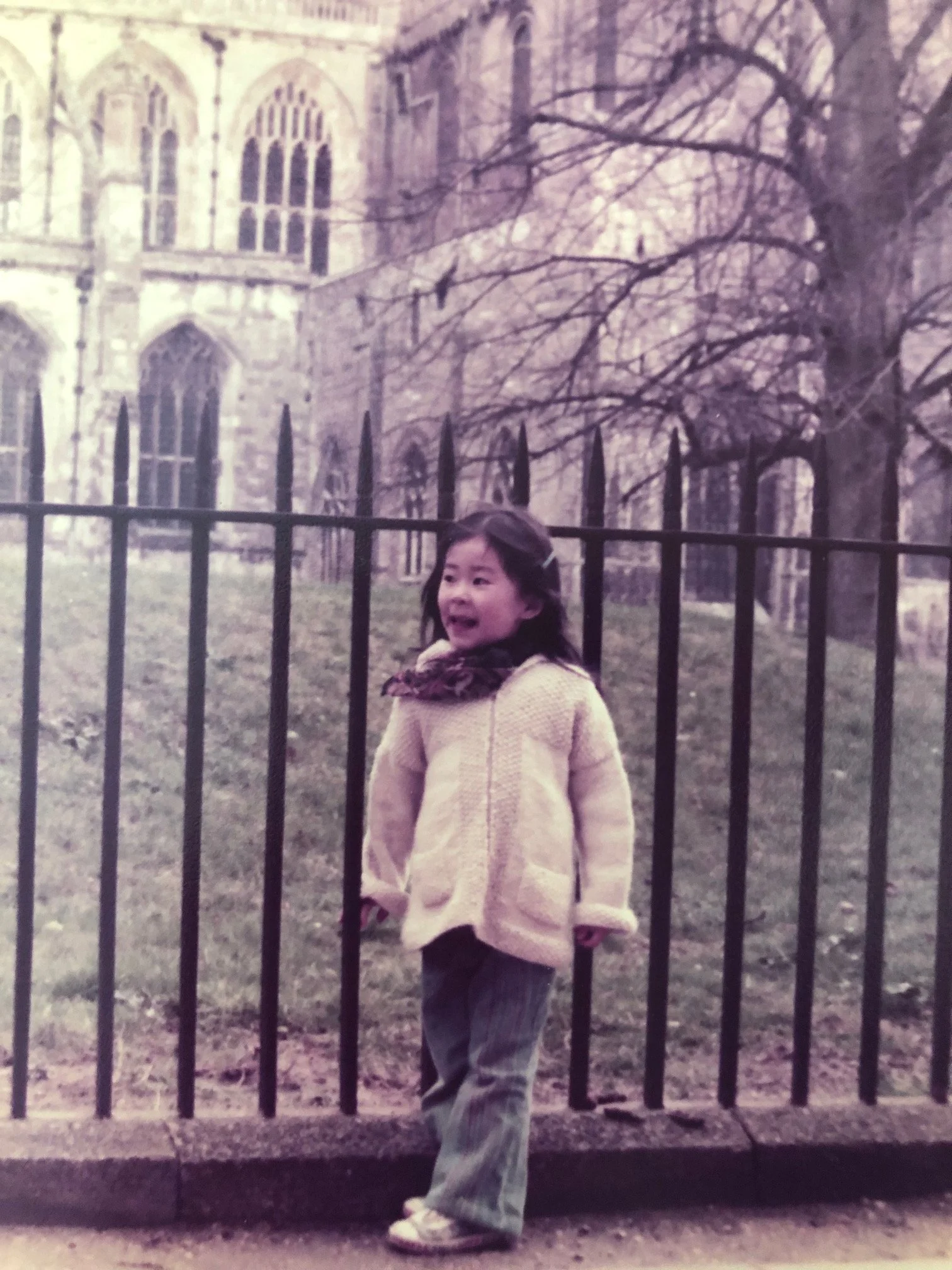
I was born in Seoul.
Boarded a plane when I was three, heading toward my dad who was waiting for my mum, my brother and me in Paris — without once turning back to say goodbye to my grandmother who had given me her fierce 할머니 (halmeoni) love. This I knew because she would mention it once in a while when we went to visit her in California many years later. My grandparents had emigrated to the US soon after we had left for Paris. My younger brother and I learned to say bonne nuit to our parents before going to bed, we would sing Frère Jacques at the top of our lungs at the back of the bus. While my parents dined and my little brother still in a stroller, I’d be whisked away by waiters, coming back with ice cream cone in hand and most of the ice cream around my mouth.
Then we moved to Surrey, England.
I went to school for the first time in my life. Being in a new country (once again), I became so painfully shy, I wet my pants because I didn’t want to raise my hand and attract the attention of my teacher. I then advanced to primary school. My handful of years of experience in cuisine had been mostly Korean. A lot of rice and gim. So I instinctively put up a mental fight against the school lunches put in front of me. I promptly threw up. Many times, I found myself in a change of clothes (usually the white T-shirt and red shorts I had for PE lessons) sitting in front our headmistress (we called her headmistress, not headteacher, back then in the 80s) with a new tray of English food in front of me — many times, it was fish fingers.
I remembered her as an evil witch. But years later, I found out my mum had thought of her as a great teacher. I even have a photo I took with her. She doesn’t look evil at all.
Back in the school cafeteria, we were also given dessert. Most days it was rice pudding with syrup or “soggy” semolina. My English friends would make faces and pretend to puke. I did as well. But I secretly loved the desserts. They were similar to Korean 죽.
It was a small school. And mostly white. My brother and I were the only Koreans, no, the only foreign foreigners.
Then one day, we got a new transfer student. She was from Canada. She was white with blond hair. She spoke English. Only differently. The games she knew were different from the ones we played. She was bright and bubbly. She was also friendly. But my friends were wary of her. They kept their distance because she was ‘different’.
But I was the different one. I was Korean. I looked Korean. I had been asked if I could see properly because my eyes were so small. I was asked to say something in Korean once in a while because it sounded so funny. It wasn’t done in a mean way. It was simple curiosity. But because I had grown up with my friends and spoke their accent and played their games, I was one of them. I felt bad for the new Canadian girl. I wanted to reach out and be friends with her, but I was held back by a peer pressure that we hadn’t been aware of.
We weren’t being mean. We were just afraid of the unknown, of anything different. She eventually was accepted, and we all became good friends.
Then one day, my dad was asked to return to Seoul. There was a brief conversation of whether they should leave me there, or whether we should all go to the States where our dad’s family had relocated. I cried so hard. I didn’t care where my parents were going, I wanted to go with them. So the four of us returned to Seoul. I remember landing and standing in the airport. It was probably Gimpo Airport then. I had this feeling of being “home”. It may have been because everyone around me looked like me.
I’m not in touch with anyone from back then, and I doubt anyone else remembers. I only remember because for a long time, I thought of myself as a coward. I wanted to accept difference because I knew what it was to be different, but I wasn’t brave enough to make my own rules. I didn’t like that feeling.
Being similar is an easy way in to belong.
But there’s a certain joy in being part of a group where everyone has their own quirks, their own beliefs and yet are able to enjoy each other’s company. No judgement, no expectations. There’s a scene from the K-drama My Liberation Notes.
“I won’t ask what happened. I won’t ask where you got hurt, why you came to this neighborhood, and why all you do is drink. I don’t care if you don’t know how to read or write. I won’t tell you to stop drinking. I’m not going to stop you from leaving. I’ll be done once I feel whole.”
“무슨 일 있었는지 안 물어. 어디서 어떻게 상처 받고, 이 동네로 와서 술만 마시는지 안 물어. 한글도 모르고 ABC도 모르는 인간이어도 상관없어. 술 마시지 말라는 말도 안 해. 그리고 안 잡아. 내가 다 차면 끝.”
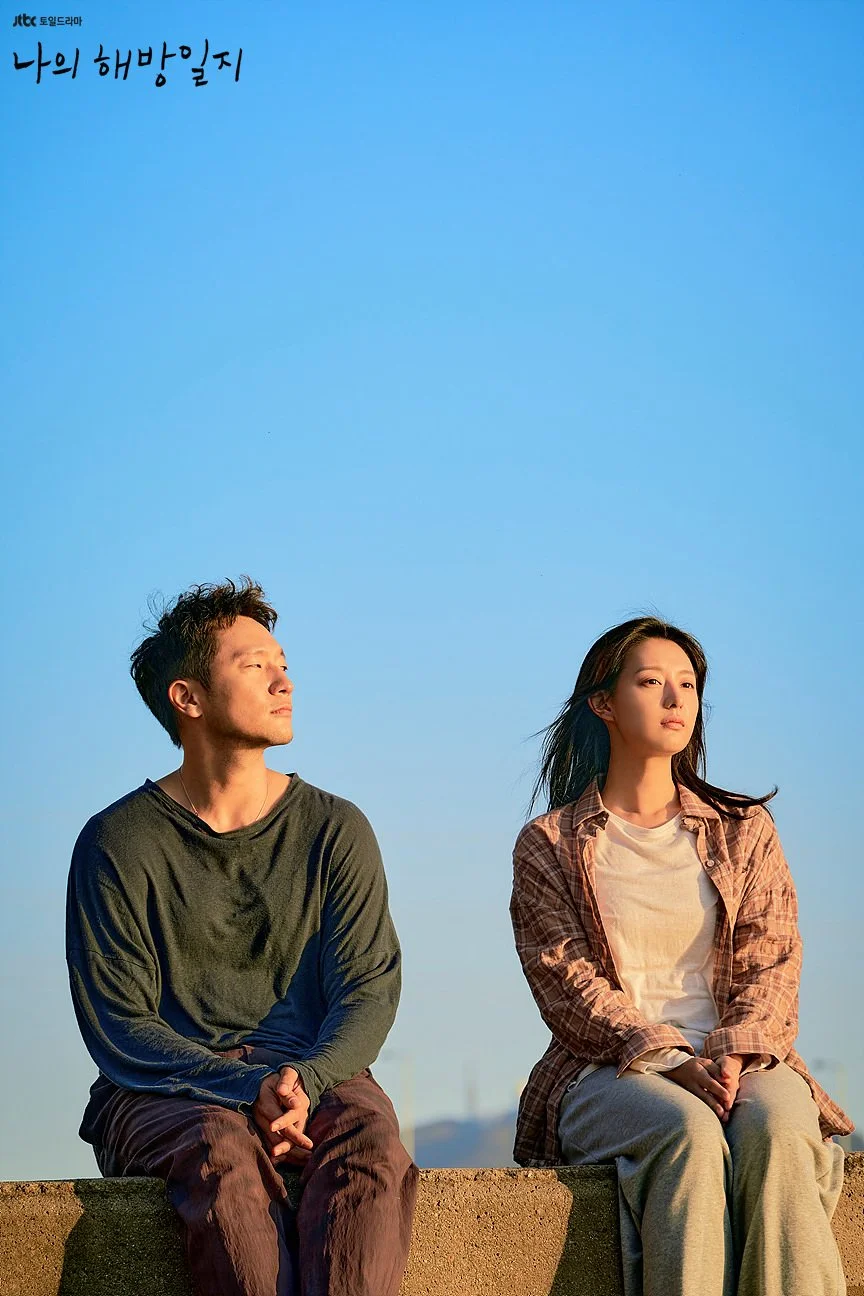
Mr. Gu and Yeom Mi-jeong, sitting side by side. Source: JTBC
